
Losing someone you love is never simple. In the middle of grief, planning a meal might feel like an impossible task. Yet in Greek Orthodox tradition, the mercy meal, or Makaria, offers a small moment of stillness as it gathers family and friends after the funeral to share food and quiet comfort.
In Toronto, Greek families balance deep-rooted customs with modern life. Which is why finding a respectful and reliable caterer matters. GREEK&CO. understands this balance. Our food carries both comfort and familiarity. It fits the simplicity and reverence that the Makaria calls for.
What Is a Makaria (Mercy Meal) and When Does It Happen
The Makaria, also known as the mercy meal, happens immediately after the burial. It is the final part of the Greek Orthodox funeral. The word Makaria means “blessed.” The gathering is about mercy, memory, and togetherness.
This meal is a quiet offering of love and respect. The act of sharing food helps bring comfort after loss. Families and friends sit together. They eat, talk softly, and remember.
A Makaria usually takes place:
In a church hall or parish center.
At a local restaurant that offers private space.
In a family home, when the group is smaller.
The host family, or sometimes the parish, provides the meal. The mood is modest. Food is chosen for nourishment, not for show.
What Food Is Typical at a Makaria
Greek Orthodox funeral food follows a long tradition of simplicity. In most parishes, meat is avoided. Fish, bread, rice, and light sides are preferred, with the choice of fish tracing back to Scripture, when Christ shared fish with His disciples after the Resurrection. It represents faith and the hope of eternal life.
A typical Makaria might include:
Baked or broiled fish, often cod or sole.
Boiled potatoes or lemon-roasted potatoes.
Plain or herbed rice.
Fresh salad with olive oil and lemon.
Bread or pita.
Coffee, tea, and a light dessert.
The meal does not need to be elaborate. What matters is hospitality. Food that feels warm and familiar brings peace during a difficult day.
Meze and Sides That Travel Well
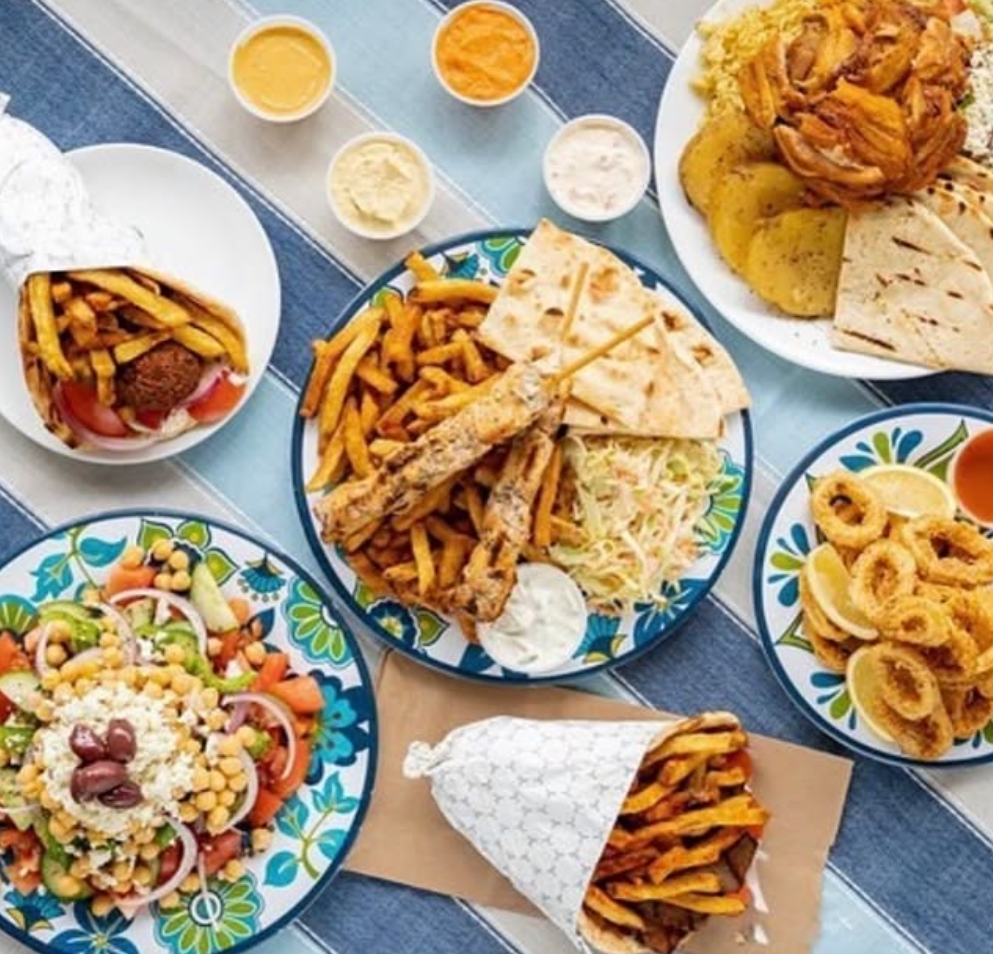
In Toronto, many families order catering for convenience. A reliable caterer like GREEK&CO. helps ease the stress. Our menu includes fresh, balanced dishes that travel well and stay delicious for hours.
Here are some GREEK&CO. options that work beautifully for a Makaria:
Spanakopita: Mini spinach and feta rolls served warm with a hint of honey; this is vegetarian and easy to serve.
City Greek Salad: Lettuce, cucumber, tomato, peppers, red onion, feta, and house dressing. Vegetarian and gluten-free.
Garden Salad: Crisp, light, and vegan-friendly.
Lemon Potatoes and Rice: Both gluten-free and vegan, perfect for mixed guests.
Seasonal Grilled Vegetables: Soft and smoky, a gentle side dish that complements any main.
Pita Bread and Dips: Choose from Tzatziki, Spicy Feta, or Roasted Beet Hummus. All homemade and fresh.
Each tray is designed for sharing. The portions are generous and with clear serving sizes for 10 to 100 guests. The food presentation is clean and simple. It suits the tone of remembrance while easing the host’s burden.
Families often appreciate that many dishes are:
Vegan or vegetarian; for guests fasting or have dietary restrictions.
Halal chicken available on the menu.
Easy to serve buffet-style for minimal setup and cleanup.
Koliva and “Funeral Bread” Explained
Koliva is the most symbolic food in Greek Orthodox funerals and memorials. It is a dish made of boiled wheat (which represents the body returning to earth), mixed with sugar or honey, pomegranate seeds, and nuts (the sweetness reflecting the belief in eternal life and resurrection).
Koliva is blessed by the priest during or after the funeral service as it is shared sign of faith and remembrance. Each spoonful carries meaning.
Alongside Koliva, people sometimes mention “funeral bread.” This can refer to two different types of bread:
Prosphora: The bread used during the Divine Liturgy. It is blessed but not served at the meal.
Simple table bread or pita: Served at the Makaria itself. It represents unity and community.
Koliva is often prepared by family members or parish volunteers. It can also be ordered from certain bakeries that specialize in Orthodox foods.
Dress Code Basics for Guests
Greek Orthodox funeral dress code is modest and respectful. Guests usually wear dark clothing, often black or navy. Women may wear dresses or skirts of knee length or longer, with shoulders covered. Men wear dress shirts, slacks, and jackets if possible.
Some families prefer all-black attire, while others accept muted colors. The key is to keep it simple. Avoid bright prints, loud patterns, or casual clothes. Toronto churches and halls tend to follow traditional expectations, so understated clothing feels appropriate.
If you are unsure, remember: modesty and respect always align with the spirit of the day.
Planning the Reception in Toronto
Toronto’s Greek community is close-knit and diverse. Many families host Makaria receptions in church halls, where the parish provides tables and chairs. Others choose restaurants or caterers who can deliver directly to a home or hall.
When planning the reception, think about:
Guest count. Estimate based on immediate family, close friends, and parish attendees.
Dietary needs. Include vegetarian and halal options.
Timing. The meal usually begins right after the burial.
Space. Choose a location that feels quiet and comfortable.
GREEK&CO. offers flexible tray options for every group size. Our delivery service covers downtown Toronto and nearby areas. Orders can often be arranged on short notice, which helps during a difficult time.
Sample GREEK&CO. Trays by Guest Count
Choosing the right package can simplify everything. GREEK&CO. lists clear serving options on our menu, so you can scale easily based on attendance.
Here’s a quick guide:
10 Guests – $244: Includes 20 Chicken Souvlaki skewers, City Greek Salad, Potatoes, Rice, Pita, and Tzatziki.
20 Guests – $490: Includes 40 Chicken Souvlaki skewers, City Greek Salad, Potatoes, Rice, Pita, Tzatziki, and Spicy Feta dip.
30 Guests – $721: Includes 60 Chicken Souvlaki skewers, City Greek Salad, Potatoes, Rice, Pita, Tzatziki, and Spicy Feta.
50 Guests – $1,141: Includes 90 Chicken Souvlaki skewers, City Greek Salad, Potatoes, Rice, Pita, Tzatziki, Roasted Beet Hummus, and Spicy Feta.
80–100 Guests – $1,950: Includes 120 Chicken Souvlaki skewers, 40 servings of Pork Gyro, City Greek Salad, Garden Salad, Greek Fries, Potatoes, Rice, Pita, and a selection of dips.
These packages keep planning simple. Each option includes essentials like salad, starches, protein, and bread. For Makaria, meals where meat is discouraged, families often substitute additional vegetarian trays or fish-based dishes prepared separately.
Example Mercy Meal Menu for 40–60 Guests
Here’s an example menu that blends tradition with ease. It respects Greek Orthodox customs while offering variety for all guests.
Main
Baked fish or fish souvlaki (prepared separately)
Chicken Souvlaki for guests who are not fasting
Sides
Lemon Potatoes
Rice
Seasonal Grilled Vegetables
Salads
City Greek Salad
Garden Salad
Dips and Bread
Pita Bread
Tzatziki
Spicy Feta
Roasted Beet Hummus
Dessert
Baklava or simple sweet bread
Drinks
Coffee, tea, and water
This menu provides balance. It offers warm, familiar flavors while maintaining the simplicity that defines the Makaria. Each item can be ordered directly from GREEK&CO. and adjusted to your group’s size.
Simple Timeline: Service → Burial → Makaria
A Greek Orthodox funeral follows a steady and sacred flow.
The Church Service. Takes place at the parish and includes hymns, readings, and prayers for the soul of the departed.
The Burial, where the family and guests proceed to the cemetery for final prayers.
The Makaria. After the burial, guests return to a hall or home to share the mercy meal.
The host family welcomes everyone with food, water, coffee, or tea. There may be brief words of thanks or remembrance, however, formal speeches are rare. The focus is always about comfort and presence.
This flow helps mourners move gently from ritual to community, from the sacred space of church to the warmth of shared food.
FAQs
Can we serve meat at a Makaria?
Traditionally, no. Most parishes prefer a fish-based or vegetarian menu. It symbolizes humility and remembrance. Some families choose to include meat if their priest approves.
Is alcohol served?
Usually not. The tone of the day is solemn. Wine or spirits are uncommon. Coffee, tea, and water are preferred.
Who pays for the meal?
The immediate family usually covers the cost. In some cases, friends or parish groups contribute.
Can we use disposable trays and cutlery?
Yes. Many families use disposable serving ware for convenience. GREEK&CO. trays are designed for easy setup and cleanup.
When should we order catering?
Ideally, place your order a few days in advance. However, GREEK&CO. can often accommodate short-notice requests, depending on kitchen capacity.
Food That Honors. Service That Understands.
Planning a Greek Orthodox funeral meal is about love, memory, and remembrance. The food should comfort, not distract.
In Toronto, GREEK&CO. continues to serve families who value both tradition and care. Our team understands timing, tone, tradition, and respect. We deliver food that arrives fresh, portioned, allergen-sensitive, and ready to serve.
If you are preparing for a Makaria, start with a simple plan. Estimate your guests. Choose dishes that honor tradition. Let GREEK&CO. handle the cooking. Our menu offers everything needed for a respectful meal.